
The honest answer to ?How often should I get my nails done?? is not one universal number.
I know the temptation to keep admiring a set until the grow-out becomes impossible to ignore?especially when the shape still looks good and the design cost more than you planned. But a manicure can remain attached after it has stopped being the right shape, balance, or schedule for your hands.
Your schedule depends on the service, how quickly your nails grow, how much work your hands do, whether the product is lifting, and how comfortable you are with visible grow-out. A woman wearing extra-long coffin acrylics has different maintenance needs from someone wearing traditional polish on her natural nails.
The goal is not to stretch every manicure until it fails. It is to choose a schedule that keeps the set looking intentional while protecting your time, budget, and natural nails.
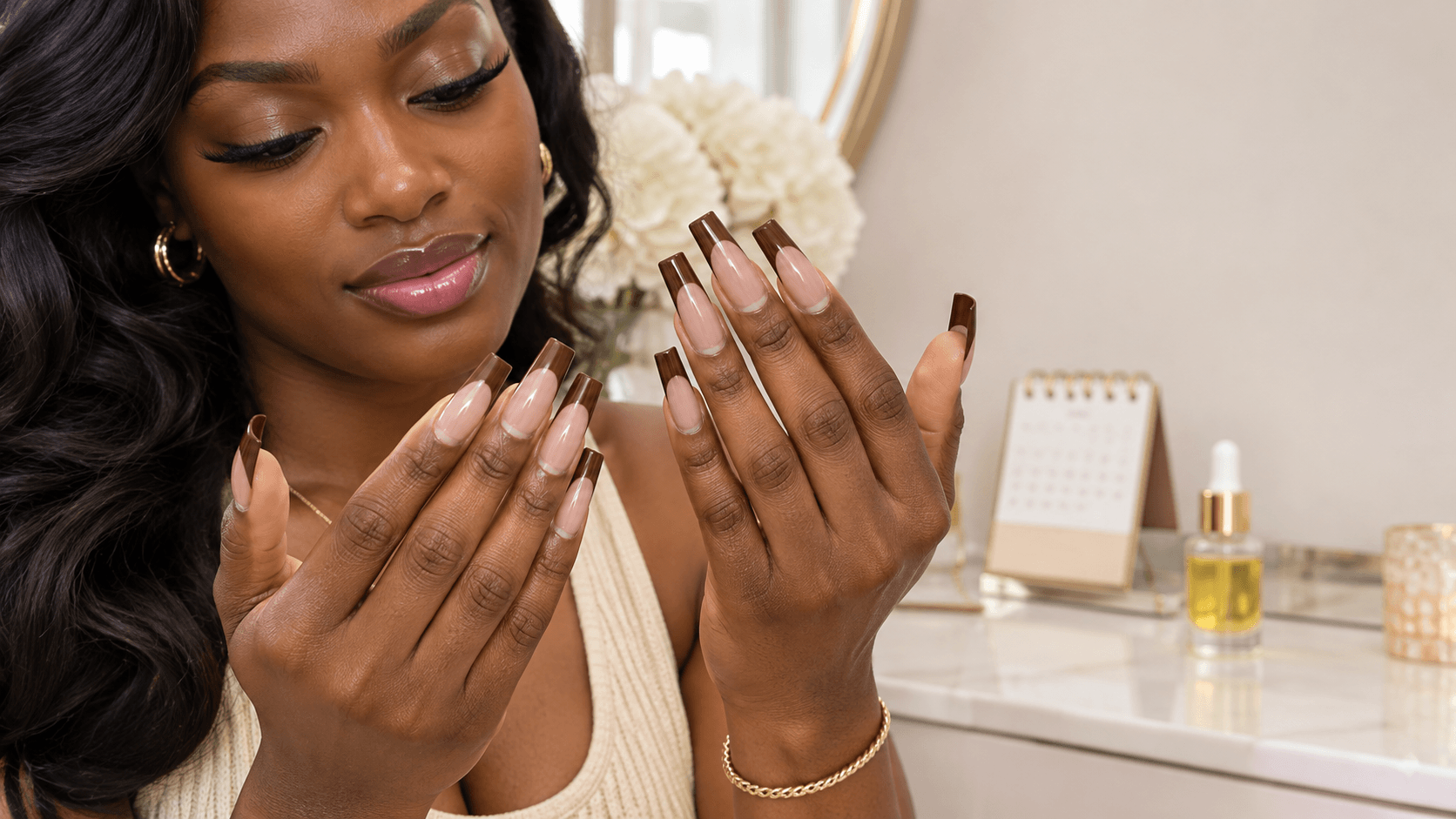
The Quick Manicure Schedule
Use this as a planning range, then follow the instructions for the specific product your salon uses.
? Traditional nail polish: About every 5 to 10 days, depending on chipping and growth.
? Gel polish on natural nails: Commonly around 2 to 3 weeks before removal and reapplication.
? Structured or builder-gel manicure: Often around 2 to 4 weeks for maintenance, depending on growth and product.
? Acrylic or hard-gel extensions: Commonly around 2 to 3 weeks for a fill or rebalance.
? Soft-gel full-cover extensions: Often around 2 to 3 weeks before removal, replacement, or salon-approved maintenance.
? Dip powder: Commonly around 2 to 4 weeks before professional removal or maintenance, depending on the system.
? Press-on nails: From a few days to roughly two weeks depending on adhesive, preparation, lifestyle, and whether they remain secure.
These are planning ranges, not promises. Book sooner if you see lifting, cracks, pain, skin irritation, moisture trapped beneath product, or a change in the natural nail.
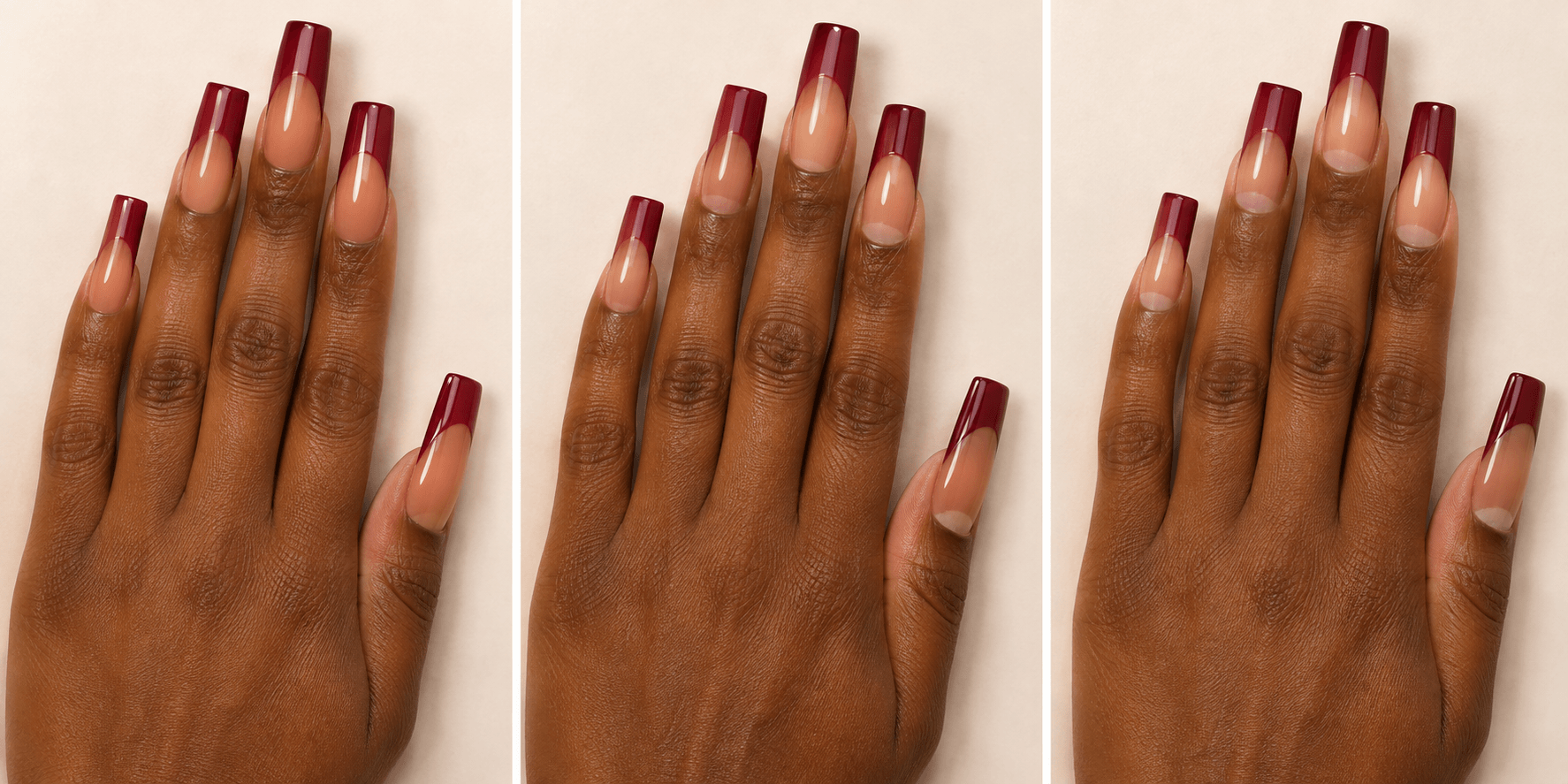
How Often Should You Get a Traditional Manicure?
Traditional polish is ideal when you like changing color frequently or want removal that does not require filing or curing.
Many people refresh traditional polish weekly because tip wear and chips become visible before the natural nail has grown very far. A careful application may last longer, while frequent handwashing, cleaning, swimming, typing, and hands-on work may shorten the wear.
You do not need a complete salon manicure every time you change regular polish. You can alternate professional shaping and cuticle care with careful at-home color changes, provided the nails and surrounding skin are healthy.
How Often Should You Get Gel Polish?
Gel polish commonly looks fresh for about two to three weeks, but ?still attached? is not always the same as ?still ready to wear.?
As the nail grows, a gap appears near the cuticle. The product may also show tip wear, small cracks, or lifting. Do not peel gel polish away when it begins to lift. Peeling can remove surface layers of the natural nail along with the product.
The American Academy of Dermatology recommends moderation with gel manicures and advises seeing a board-certified dermatologist for persistent or unusual nail changes. If gel leaves your nails repeatedly thin, sore, peeling, or brittle, pause and reassess the product, preparation, removal, and frequency rather than immediately covering the damage again.
How Often Should You Get an Acrylic Fill?
Acrylic extensions usually require maintenance every two to three weeks. Your natural nail continues growing beneath the enhancement, so the gap near the cuticle expands and the original structure moves forward.
This matters even more with long square and coffin sets. Extra length increases leverage, and a badly outgrown apex may no longer support the nail where it needs strength.
A fill or rebalance may include:
? Removing color and loose product.
? Shortening or reshaping the extensions.
? Correcting the apex and structure.
? Replacing missing nails when appropriate.
? Adding product to the grown-out area.
? Applying a new color or design.
Do not assume every old set should be filled indefinitely. Extensive lifting, cracks, incompatible products, or a major shape change may make removal and a new set more appropriate. If you are unsure how to describe the service, use my guide to what to ask for at a nail salon before you book.
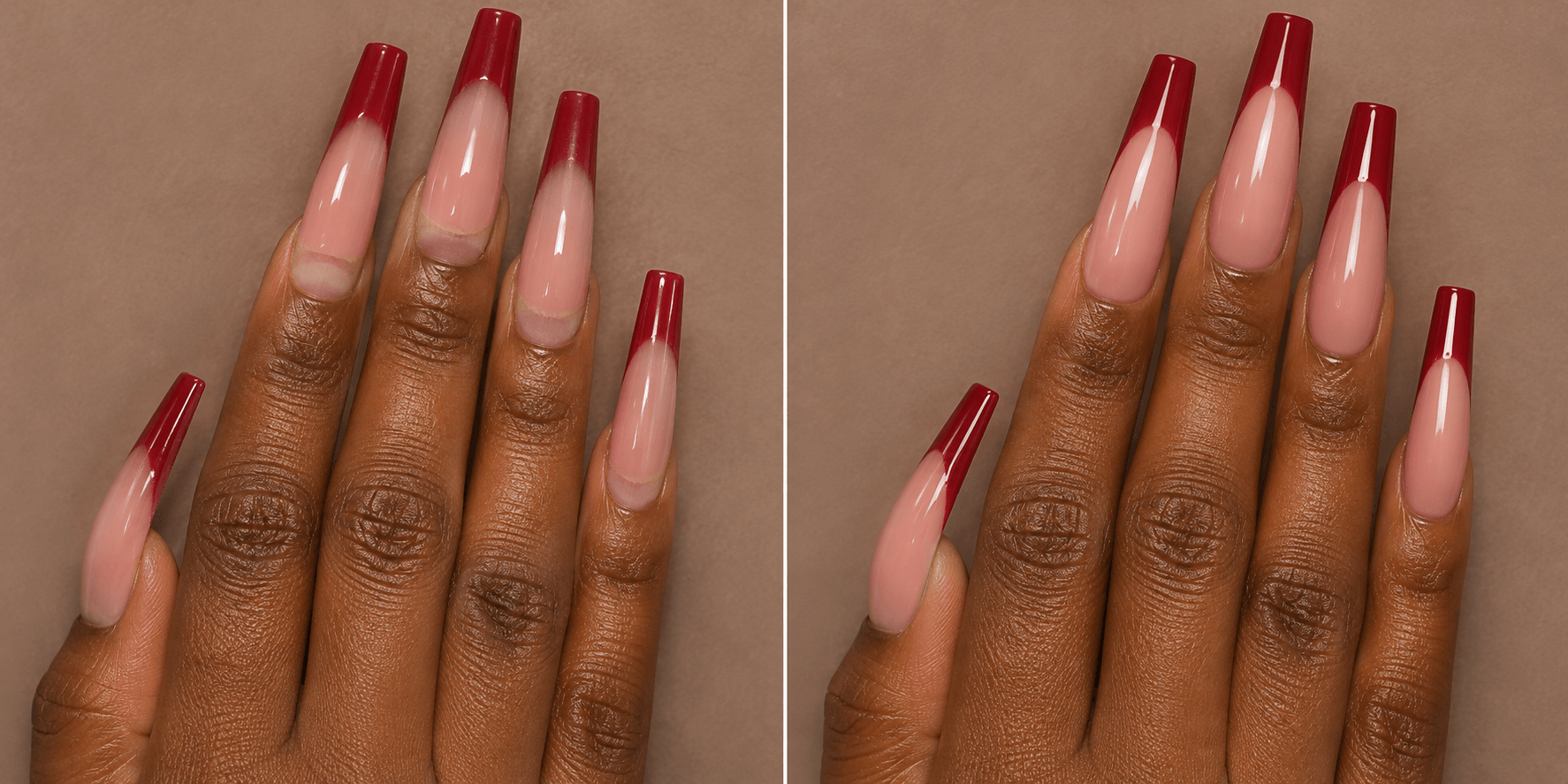
How Often Should You Maintain Builder Gel or Hard Gel?
Structured gel services vary widely. Some are soak-off builder gels used mainly as overlays; others are hard gels that must be filed. Maintenance commonly falls somewhere between two and four weeks, depending on the product, length, growth rate, and structure.
Ask your salon:
?Is this product soaked off and reapplied, or filled and rebalanced? When should I return for this exact system??
That question is more useful than relying on the broad word ?gel.?
How Often Should You Replace Gel-X or Soft-Gel Extensions?
Soft-gel full-cover tips are usually worn until growth, lifting, or wear makes removal or maintenance necessary. Two to three weeks is a common planning range, but salon procedures differ. Some technicians remove and replace the full set. Others offer a specific fill method for compatible systems.
Do not fill a lifted area by sealing over it at home. Ask the salon how it maintains the exact product you are wearing.
How Often Should You Get Dip Powder Nails?
Dip powder manicures are often worn for two to four weeks. The correct timing depends on growth, adhesion, and whether the salon fills or fully removes the product. The American Academy of Dermatology notes that dip color may remain chip-free for up to four weeks, while also recommending a one-month recovery period after removal before another gel or dip manicure.
The American Academy of Dermatology advises skipping the manicure and paying attention to the nail and surrounding skin if you notice changes after color is removed. Clean application practices also matter because communal dip methods can create hygiene concerns; ask how the salon portions or applies powder.
What Changes the Maintenance Schedule?
Your natural growth rate
Two people can receive the same service on the same day and need maintenance at different times. Judge by visible growth and structure, not only the calendar.
Nail length
Long extensions create more leverage than short enhancements. A small area of lifting or a shifted apex matters more when the free edge is dramatic.
Shape
Crisp square corners can dull with daily use. Coffin sidewalls can lose symmetry as the nail grows or if the wearer files them at home. Maintenance restores both balance and silhouette.
Daily routine
Frequent water exposure, cleaning chemicals, sports, manual work, typing, crafting, caregiving, and using nails as tools may shorten wear.
Application and removal
Good preparation supports adhesion, but aggressive filing and repeated peeling can damage the natural nail. A long-lasting set is not a success if the removal leaves the nail sore or excessively thinned.
Personal preference
Some women dislike even a narrow grow-out line. Others are comfortable with more visible growth. Appearance can guide the appointment date as long as the product remains secure and the structure is safe.
Signs You Should Book Earlier
Do not wait for your usual appointment if you notice:
? Lifting near the cuticle or sidewalls.
? A crack through the enhancement.
? A broken nail that pulls on the natural nail.
? Pain, throbbing, or unusual tenderness.
? Redness, swelling, itching, blistering, or rash.
? Green, brown, black, or unfamiliar discoloration beneath product.
? Moisture or debris trapped under a lifted area.
? A long extension that feels unbalanced or catches constantly.
Do not glue down lifting product or cover a suspicious change with more color. A nail professional can assess the enhancement, while persistent pain, inflammation, or unusual nail changes should be evaluated by a qualified healthcare professional.
Do Your Nails Need a Break Between Manicures?
Nails do not ?breathe,? but that does not mean continuous services are automatically appropriate for every person. A break can make sense when the nail plate is thin, peeling, sore, or repeatedly damaged during application or removal.
Instead of following a fixed rule, look at the condition of the nails and skin. If they are painful, inflamed, unusually flexible, split, or discolored, pause cosmetic coverage and seek appropriate advice.
If your nails remain comfortable and healthy, discuss whether the current product can be safely maintained rather than completely removed at every visit. The answer depends on the system.
My At-Home Maintenance Picks
Affiliate disclosure: I may earn a commission if you shop through the links below, at no extra cost to you.
Between appointments, I keep the routine simple: cuticle oil for dry skin, a gentle file for a rough free edge, and a clear plan for the next color. I do not glue down lifting product or try to disguise a crack with more gel.
If you are planning a DIY color change or building your next salon reference board, shop Modelones nail colors and manicure essentials. I would look for:
? Gel colors that help you compare warm, cool, sheer, and full-coverage finishes.
? Base and top coats for the product system you already know how to use.
? Cuticle oil and simple nail-prep essentials for between-appointment care.
If you need to remove soak-off gel, follow this step-by-step gel-removal guide instead of peeling it away.
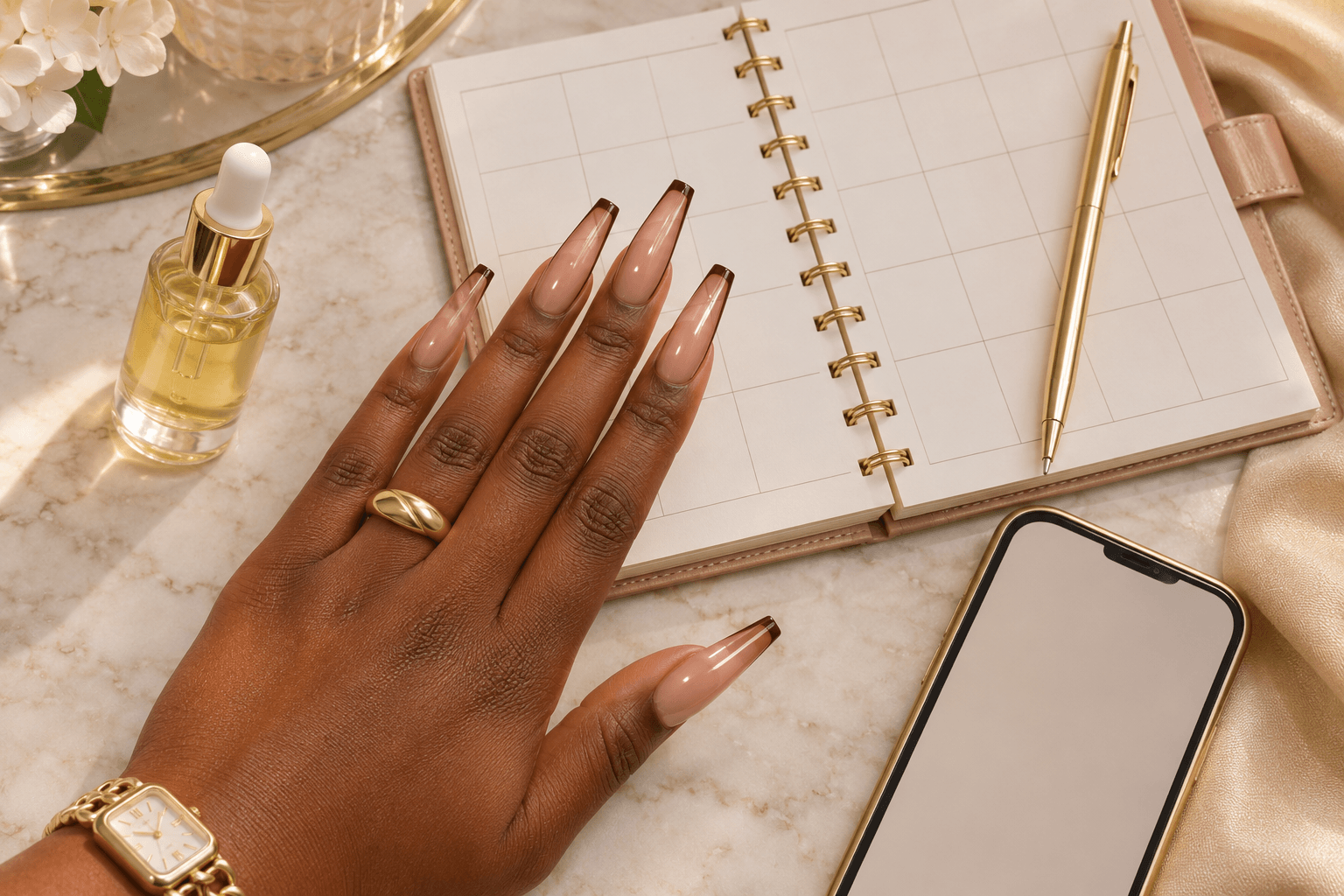
How to Build a Manicure Budget That Actually Works
Start with the monthly total, not only the price of the first set.
For extensions, include:
? The initial full set.
? Fills or rebalances every two to three weeks.
? Repairs.
? Removal when needed.
? Extra charges for length, shape, French tips, chrome, art, and crystals.
? Cuticle oil and basic aftercare.
If the schedule feels too expensive, adjust the design before sacrificing maintenance. A simpler solid color on a well-maintained set usually looks better than elaborate art on badly outgrown extensions.
You can also alternate statement sets with simpler fills, choose reusable press-ons for occasional length, or wear traditional polish between enhancement periods.
A Realistic Schedule for Long Square and Coffin Extensions
For the FTLOH woman who loves dramatic length, I would plan around a two-to-three-week maintenance window and evaluate sooner if the set is lifting, cracked, or visibly unbalanced.
At the appointment, ask the technician to check:
? Whether the apex has moved forward.
? Whether the sidewalls remain straight and symmetrical.
? Whether square corners or coffin tips need reshaping.
? Whether any lifted product must be removed.
? Whether the length still suits your routine.
? Whether the natural nail shows signs that the service should pause.
Long nails should feel glamorous, not precarious.
If dramatic length is part of your signature, explore the history and meaning of long nails. If you are choosing a warm neutral for the next appointment, this guide to brown nail meanings and chocolate shades can help you build the color story.
Key Takeaways
? Traditional polish often needs refreshing in about 5 to 10 days.
? Gel polish and long extensions commonly need attention around 2 to 3 weeks.
? Builder gel, hard gel, and dip schedules vary by the exact system and nail condition.
? Book earlier for lifting, cracks, pain, irritation, trapped moisture, or unusual discoloration.
? Judge the manicure by growth, structure, comfort, and condition?not attachment alone.
My Final Answer
Most manicure schedules fall somewhere between weekly traditional polish changes and two-to-four-week professional maintenance for longer-wearing systems. The exact date should follow your growth, product, structure, lifestyle, and nail condition.
Do not measure value only by how many weeks you can force a set to stay attached. A good schedule keeps the manicure looking polished, catches problems early, and fits a budget you can maintain.
Save the schedule that matches your service, and ask your nail technician to personalize it for the exact product on your hands.
Ready to choose the color and mood for your next appointment? Take the Nail Vibe Finder and build your salon reference board around the result.
FAQ
Is getting a manicure every two weeks too often?
It depends on the service and nail condition. Two weeks is a common maintenance point for gel polish and extensions, but repeated aggressive filing or removal can still cause damage. Monitor the nails and skin, and discuss the product-specific schedule with your technician.
How often should acrylic nails be filled?
Many acrylic wearers return every two to three weeks. Faster growth, dramatic length, lifting, or cracks may require earlier maintenance.
Can gel nails last four weeks?
Some gel manicures remain attached for four weeks, but grow-out, lifting, cracking, or nail condition may make earlier removal or maintenance more appropriate. Follow the instructions for the specific product rather than judging only by adhesion.
How often should I take a break from gel nails?
There is no universal calendar that fits everyone. Consider a break when nails become thin, peeling, sore, inflamed, or repeatedly damaged. Persistent or unusual nail changes deserve professional medical evaluation.
Is it better to get a fill or a new full set?
A fill may be appropriate when the enhancement is compatible, secure, and structurally sound. Extensive lifting, cracks, unknown products, or a major redesign may require removal and a new set.
Sources
? American Academy of Dermatology: Gel manicures?tips for healthy nails
? American Academy of Dermatology: Dip powder manicure?5 tips to keep your nails healthy
? American Academy of Dermatology: Artificial nails?tips for reducing nail damage
Keep Reading
? What to Ask for at a Nail Salon
? How to Soak Off Gel Nails at Home
? The Allure of Long Nails: A Symbolic History